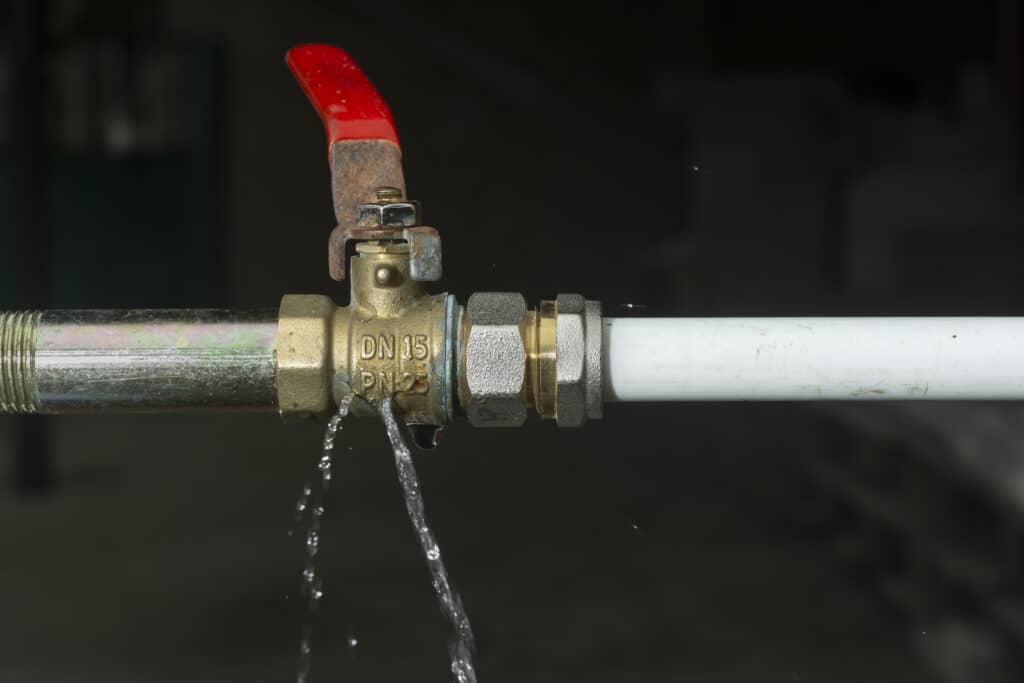
Water leaks have a way of hiding until they have already done damage. A slow drip behind a wall or under a slab can run for weeks before you notice a stain, a smell, or a water bill that does not add up. In a region like Metro Detroit, where many homes have basements and older plumbing, a small leak can quietly lead to foundation problems, mold, and ruined finishes.
The longer a leak runs, the more it costs. Catching one early is the difference between a quick repair and a major restoration project. This guide walks you through the warning signs and the simple checks any homeowner can do before calling in a professional.
Why Water Leaks Are Worth Taking Seriously
A leak is rarely just about wasted water, although that adds up fast. Here in southeast Michigan, water and sewer rates have climbed for years, so even a hidden drip shows up on your monthly bill. Beyond the cost, leaks create real problems:
A small leak in a basement, roof, or wall can weaken the structure around it over time. Standing moisture invites mold and mildew, which affect both your home and your family’s air quality. And a leak in the main service line can run underground for months without any sign inside the house.
Michigan’s freeze and thaw cycles add another layer of risk. Water that seeps into a small crack can freeze, expand, and turn a minor issue into a burst pipe in the middle of January. That is why local homeowners benefit from staying alert year round.
Start With Your Water Meter
One of the fastest ways to confirm a leak is to check your meter. Turn off every faucet in the house and shut down any appliance that uses water, including the dishwasher, washing machine, and ice maker. Once you are sure nothing is running, watch the meter.
If the dial is still moving, water is going somewhere it should not. The movement might be slow, so if you cannot tell right away, write down the reading, leave the water off for an hour or two, and check again. A changed number with everything shut off points to a leak in your supply line.
It also pays to keep an eye on your bill. If your usage jumps from one month to the next without a clear reason, that is your cue to investigate.
Check the Most Common Trouble Spots
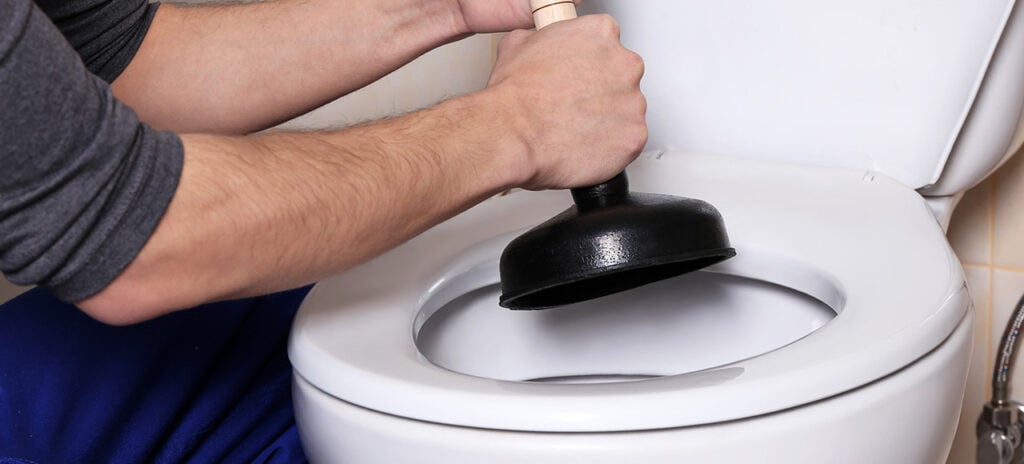
Toilets. Toilets are the sneakiest water wasters in the house. A visible leak around the base is easy to spot, but a silent leak inside the tank can run for months. To test, put a few drops of food coloring in the tank and wait about 30 minutes without flushing. If color shows up in the bowl, water is leaking through, usually because of a worn flapper, a bad flush valve, or a fill valve set too high. These parts are inexpensive, but a running toilet can waste hundreds of gallons a day.
Faucets and fixtures. A dripping faucet is more than an annoyance. Check under sinks for damp spots, water stains, or warped cabinet bottoms. Worn washers and loose connections are common culprits.
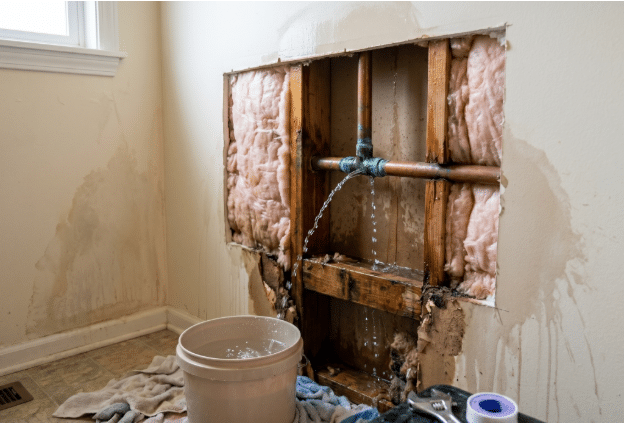
Water pressure. You know what normal pressure feels like in your home. If it drops without explanation, water may be escaping somewhere between the main and your faucets. Follow your supply pipes and look for damp patches, watermarks, mold, or damaged drywall along the way.
Search the Basement and Around the Water Heater
Gravity guarantees that water finds the lowest point in your home, which in most Metro Detroit houses means the basement or crawl space. If it is safe to do so, head down and look for pooling water on the floor, damp spots on the walls, or a musty smell. After shutting off the water supply, stay quiet for a moment and listen for dripping or running water.
Pay special attention to your water heater. Many tank leaks go unnoticed because the drain valve connects directly to a floor drain. Look for moisture or rust around the base and at the connections, and listen for water moving through the hoses. Falling water pressure paired with a damp tank often signals a problem. If you spot rust-colored water or a puddle forming, the tank may be failing and should be inspected soon.
Know Where Your Shutoff Valve Is
Every homeowner should know the location of the main water shutoff valve before an emergency happens. It is usually where the service line enters the house, often near the front foundation wall in the basement. Take a minute to find it, make sure it turns easily, and check it for corrosion or moisture. When a small leak suddenly becomes a burst pipe, being able to stop the water in seconds can save you thousands in damage.
Do Not Forget the Outside
Some leaks leave no trace indoors but are still costing you money. Walk your property and check exterior spigots, which often drip from the nozzle or the connection to the house. Look at irrigation lines and any outdoor faucets for damp ground or pooling.
Keep an eye on your yard too. An unexplained soggy patch on the lawn, especially over the path of your main service line, can point to an underground leak. In winter, watch for areas where snow melts faster than the rest of the yard, which sometimes signals a warm water line leaking below.
Signs You Should Call a Professional
A few checks are easy to handle yourself, but some situations call for experienced help. Reach out to a plumber if your meter shows water moving with everything off and you cannot find the source, if you see water stains spreading on ceilings or walls, if your basement stays damp or smells musty, or if your water bill keeps climbing without explanation.
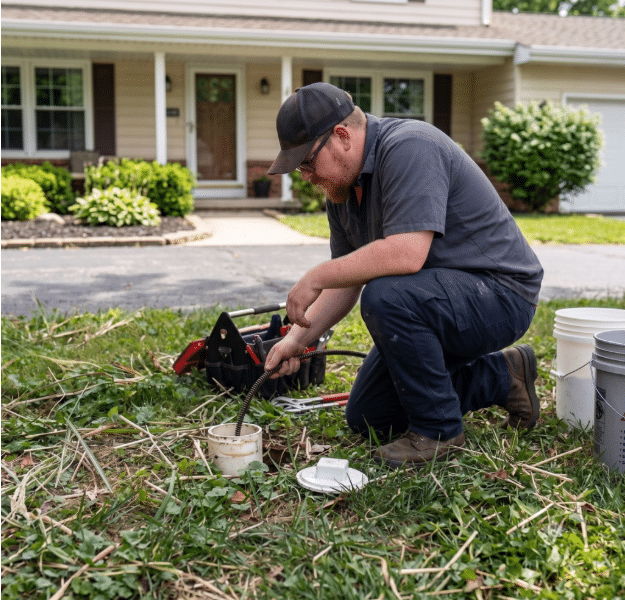
Professional plumbers use specialized leak detection equipment, including acoustic listening tools and cameras, to find hidden leaks without tearing open walls and floors. That means a faster diagnosis and a smaller repair.
WaterWork Plumbing Finds Leaks Across Metro Detroit
Whether you are short on time or not sure where to look, the team at WaterWork Plumbing can track down the source and fix it right. We serve homeowners throughout Metro Detroit, including Royal Oak, Ferndale, Troy, Birmingham, Warren, and the surrounding communities, with honest assessments and clear pricing.
If you suspect a leak, do not wait for the damage to grow. Schedule a service online or call 248.542.8022. We offer same-day appointments and 24/7 emergency service for the leaks that cannot wait until morning.